Helveian
An importer that trades on paperwork, and says so.
- 1 promise
- 2 scripts
The situation
Helveian imports European cars into Syria and sells them from a showroom in Damascus. The cars are good and the margins are thin. What the business actually sells, the founder admitted in the first interview, is certainty: that the vehicle is what the papers say it is, that the history is complete, and that the import was done properly.
The constraint was reputation. Every importer in the market claims the same thing, and buyers have learned not to believe any of them.

The problem
The showroom looked like every other showroom: chrome, black, a name in a script face. None of it said anything about the one thing that set the business apart.
Buyers were not choosing a car. They were choosing whom to believe.
The move
The decision: Helveian would make the paperwork the product. The identity would live on the inspection sheet, the history folder and the key tag before it lived on the wall, and the promise would be written in plain language on every surface: every car, every document, every time.

The system
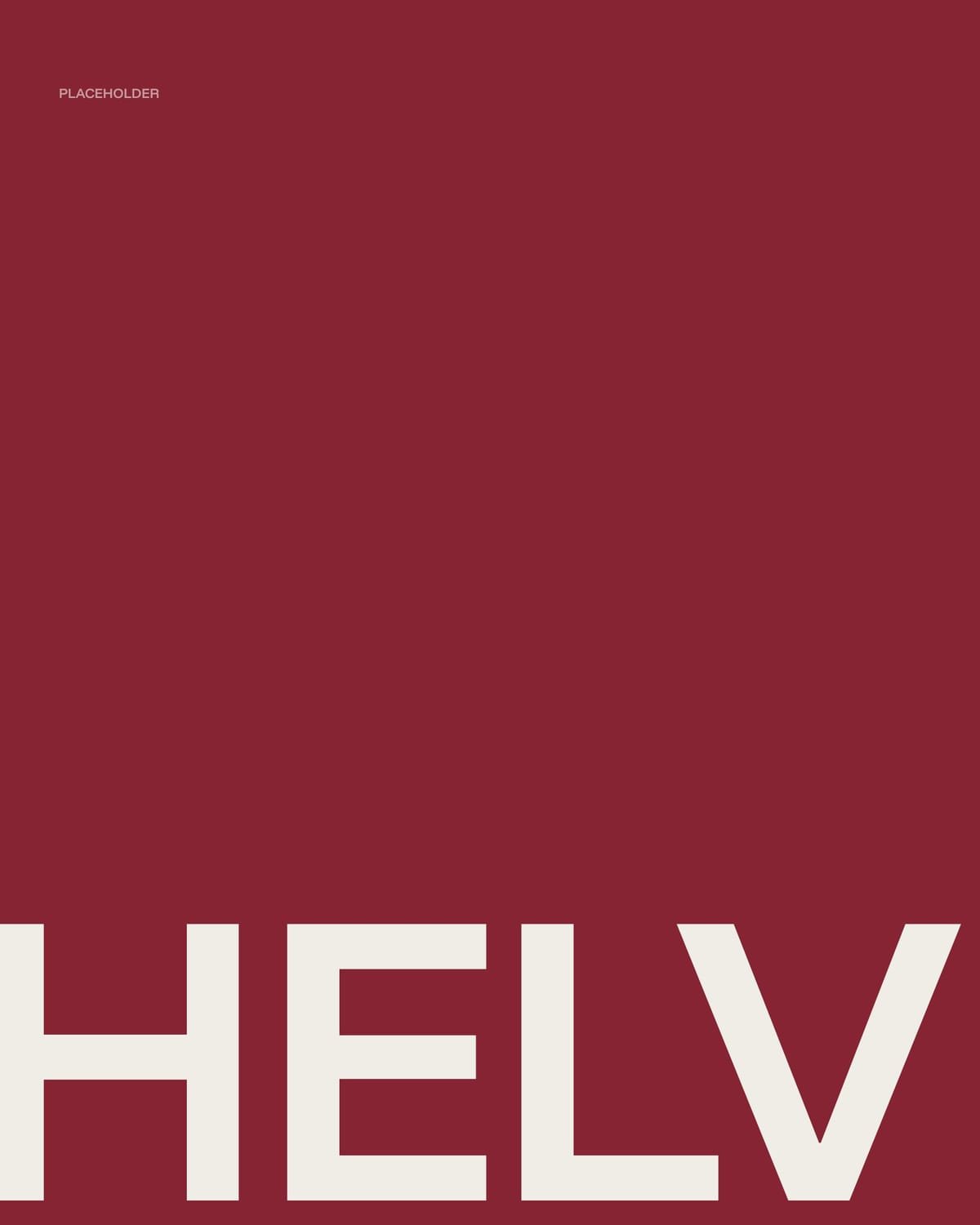
A wordmark with a cross-bar motif drawn from the Swiss-sounding name, in Arabic and Latin. Deep red and cream, with a document grey for the paperwork itself so the brand colour means "Helveian" and the grey means "fact".
The vehicle history folder is the centrepiece: a designed object that a buyer takes home and shows to whoever they trust.


In the world
The showroom fascia is cream on deep red, and deliberately plainer than its neighbours. The key tag carries the mark and a handwritten chassis number, because a handwritten number reads as checked.


Voice and credits
Plain and declarative. "Inspected on 14 March. Every page is in the folder." No adjectives about the cars; the manufacturers have already written those.
Arabic copy and the folder's print production were handled by specialists from the bench.

ATG